
What Is Your Hair's “Personality,” and How Can You Work With It Instead of Against It?
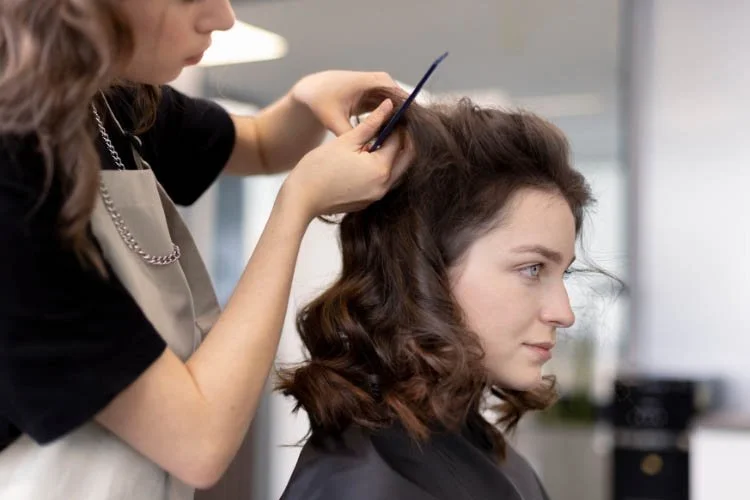
Have you ever felt like your hair has a mind of its own? Some days it falls perfectly into place, while on others it seems determined to resist every styling attempt. What we often describe as hair's “personality” is actually a combination of its natural texture, density, growth patterns, movement, and unique characteristics. Understanding these traits can make a significant difference in how you care for, cut, and style your hair. Instead of constantly trying to force your hair into a shape or routine that doesn't suit it, learning to work with its natural qualities can make everyday styling easier and more enjoyable.
At Hair Art Academy, students learn that great hairstyling begins with observation. Every client has different hair characteristics, and recognizing them allows stylists to create looks that feel natural, flattering, and practical. Here's how you can better understand your hair's personality and start working with it rather than against it.
1. Understanding What Gives Your Hair Its “Personality”
Your hair's personality isn't a scientific category, but it's a useful way to describe the combination of characteristics that make your hair behave differently from someone else's.
These characteristics may include:
Natural texture, such as straight, wavy, curly, or coily
Hair density and overall fullness
Fine, medium, or coarse strands
Natural growth patterns and cowlicks
How easily the hair holds moisture or styling
These factors influence everything from the haircut that suits you to the amount of time needed for styling. For example, naturally wavy hair may behave differently depending on humidity, while fine hair may become weighed down by products that work well for thicker textures. Learning these characteristics can help you make more informed choices.
2. Stop Fighting Your Natural Texture
One of the biggest mistakes people make is trying to completely change their natural texture every day. Constantly straightening curly hair or forcing naturally straight hair into elaborate textured styles can require significant time and repeated heat exposure.
Instead, consider ways to enhance what your hair naturally does. This might mean choosing a haircut that encourages your curls to form beautifully or using styling techniques that bring out natural waves.
Working with your texture can offer several benefits:
Less time spent styling
Reduced dependence on heated tools
More natural-looking movement
Easier day-to-day maintenance
Greater consistency between salon visits
This doesn't mean you can never experiment with a different look. It simply means your everyday style may be easier to maintain when it respects your hair's natural tendencies.
3. Pay Attention to Your Growth Patterns
Cowlicks, hairlines, and the direction in which your hair naturally grows can strongly influence how a haircut behaves. A style that looks perfect immediately after a salon appointment may become difficult to manage if these natural patterns weren't considered.
Professional stylists observe how the hair:
Falls around the face
Separates naturally
Moves when dry
Responds to different partings
Behaves around the crown and hairline
Instead of viewing cowlicks or unusual growth patterns as problems, an experienced stylist can often incorporate them into the design of a haircut. Sometimes a small adjustment in length, layering, or parting can make styling significantly easier.
4. Choose Products Based on Your Hair's Needs
Your hair's personality can also influence the types of products that work best for you. Following a viral recommendation without considering your own hair characteristics may lead to disappointing results.
Think about what your hair actually needs. For example:
Fine hair may benefit from lightweight products
Dry hair may need additional conditioning
Textured hair may require products that support definition
Color-treated hair may need specialized maintenance
Hair prone to buildup may benefit from adjusting cleansing habits
The goal isn't to build the longest possible product routine. Understanding your hair can help you select products more intentionally instead of constantly experimenting with whatever is currently popular.
5. Choose Styles That Fit Your Lifestyle
A hairstyle should work not only with your hair but also with your everyday routine. Before choosing a dramatic cut or high-maintenance color, consider how much time you realistically want to spend maintaining it.
Ask yourself:
Do I enjoy styling my hair every morning?
How often am I willing to visit the salon?
Does this style work with my natural texture?
Will I need frequent heat styling?
How will the style look as it grows out?
The most successful hairstyles often balance appearance with practicality. A personalized style considers your preferences while respecting the natural behavior of your hair.
6. Learn From Professional Observation
Sometimes it can be difficult to understand your own hair because you see it every day. A professional consultation can provide useful insight into characteristics you may not have noticed.
A stylist can help you understand:
Your natural texture and movement
Which cuts complement your growth patterns
Why certain styles are difficult to maintain
How to improve your daily styling routine
Which techniques may suit your lifestyle
Professional hairstyling isn't about making every client's hair look the same. It is about understanding individuality and using technical knowledge to create a look that works specifically for that person.
Conclusion
Your hair's “personality” is shaped by the natural characteristics that influence how it moves, responds, and behaves every day. Instead of constantly fighting against texture, growth patterns, or natural volume, understanding these qualities can help you make better choices about cuts, products, and styling techniques. Working with your hair doesn't mean limiting your creativity—it means creating styles that feel more natural, manageable, and uniquely yours.
At Hair Art Academy, students learn how to recognize the individual characteristics that make every client's hair different. If you're passionate about understanding hair beyond trends and learning how to create truly personalized styles, register for schooling at Hair Art Academy today. Build the professional knowledge and practical skills needed to help clients embrace their hair's individuality and look their best with confidence.

Jumpstart your career
Whether you’re dreaming of running your own salon, mastering the latest trends, or building a loyal clientele, it all starts with the right education. Don’t wait to turn your passion for hairstyling into a successful career.
Join Hair Art Academy today and take the first step toward a future filled with creativity, growth, and endless possibilities!
