
Could Your Shower Routine Be Ruining Your Hair?
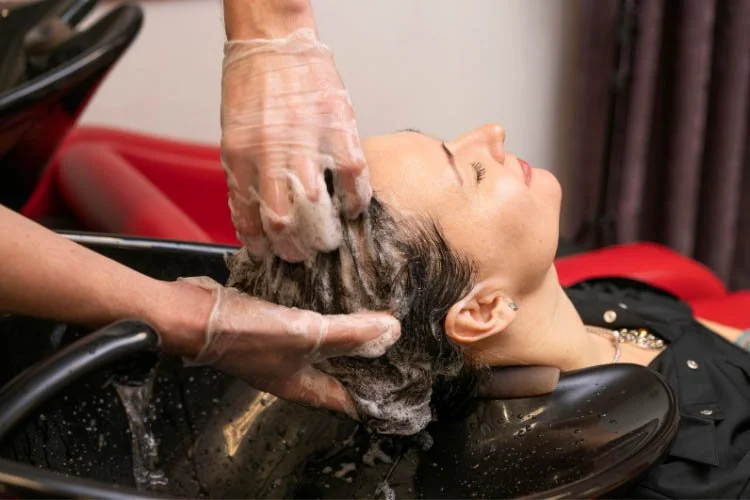
Your shower routine may seem straightforward: wash, condition, rinse, and move on with your day. However, some everyday habits during this routine can affect how your hair looks and feels over time. Water temperature, washing frequency, product choice, and even the way you handle wet hair can all influence manageability and the appearance of dryness or damage. Many people focus heavily on what happens after they leave the shower while overlooking the importance of how they treat their hair during washing. Making a few thoughtful adjustments can help create a gentler routine that better supports your hair's individual needs.
At Hair Art Academy, students learn that healthy-looking hair is influenced by both professional services and everyday habits. Understanding proper cleansing, conditioning, and handling techniques helps future stylists guide clients beyond the salon chair. Here are some ways your shower routine could be affecting your hair and what you can do differently.
1. Is the Water Too Hot?
A steaming hot shower can feel relaxing, but very hot water may not always be ideal for your hair and scalp. Frequent exposure to high temperatures can contribute to dryness and may leave some people feeling as though their scalp or hair is less comfortable.
Consider these points:
Hot water may contribute to a dry feeling
Extremely high temperatures can be uncomfortable for the scalp
Lukewarm water is often a gentler option for cleansing
A cooler final rinse may help hair feel smoother for some people
You don't need to take an ice-cold shower to care for your hair. Simply avoiding excessively hot water can be a practical adjustment, particularly if your hair already tends to feel dry.
2. Are You Washing Your Hair More Than It Needs?
There is no universal rule for how often everyone should wash their hair. Hair type, scalp oiliness, activity level, product use, and personal preferences can all affect the ideal cleansing routine.
Washing too frequently with an unsuitable cleanser may leave some people feeling dry, while washing too infrequently can contribute to buildup.
Think about:
How quickly your scalp becomes oily
Your exercise and activity routine
How many styling products you use
Your natural hair texture
How your hair feels between washes
Rather than copying someone else's schedule, pay attention to how your own scalp and hair respond.
3. Are You Cleansing the Right Areas?
Shampoo and conditioner are designed for different purposes, so where and how they are applied can influence the final result.
A more thoughtful approach may include:
Focusing shampoo primarily on the scalp
Gently massaging rather than aggressively scratching
Allowing the cleanser to move through the lengths during rinsing
Applying conditioner mainly where the hair needs softness and slip
Rinsing thoroughly to avoid excess residue
Scrubbing the lengths aggressively can create unnecessary tangling, particularly for longer or textured hair. Gentle handling during cleansing can make detangling easier afterward.
4. Are Your Products Right for Your Current Hair Needs?
A product that worked well in the past may not always suit your hair today. Coloring, heat styling, environmental changes, and changes in length can all influence what your hair needs.
Consider whether your routine includes:
A cleanser appropriate for your scalp
Enough conditioning for your hair texture
Products suited to color-treated hair, if applicable
Treatments used according to their directions
Styling products that don't create excessive buildup
More products don't automatically create healthier-looking hair. A simpler routine with products that suit your current needs can sometimes be more effective.
5. Are You Too Rough With Wet Hair?
Hair can be more vulnerable to stretching and breakage when wet, making gentle handling especially important after washing.
Try to avoid:
Aggressively rubbing hair with a towel
Pulling a brush forcefully through tangles
Twisting wet hair tightly
Roughly gathering hair into tight styles
Instead, gently blot excess water and detangle with an appropriate tool, working gradually through knots. Reducing unnecessary friction can help make your post-shower routine easier and more comfortable.
6. Are You Skipping Proper Rinsing and Aftercare?
Rushing through the final stages of your shower routine can leave product residue behind or make hair more difficult to manage later. Thorough rinsing is an important but often overlooked step.
After washing, consider:
Rinsing shampoo and conditioner completely
Avoiding excessive product layering
Using suitable leave-in care when needed
Applying heat protection before hot styling
Following recommendations for chemically treated hair
Your shower routine is only the beginning of your overall haircare process. The way you dry, detangle, and style your hair afterward can also influence its appearance and condition.
Conclusion
Your shower routine may not be the only factor affecting your hair, but small daily habits can add up over time. Excessively hot water, unsuitable products, aggressive cleansing, rough handling, and inconsistent aftercare can all make it harder to maintain soft, manageable hair. By paying closer attention to how your hair responds and adjusting your routine accordingly, you can create a more thoughtful approach to everyday haircare.
At Hair Art Academy, students learn that professional hairstyling goes beyond cuts and colors—it also involves understanding the everyday habits that influence hair health and appearance. If you're passionate about learning the science behind effective haircare and developing practical skills for a career in hairstyling, register for schooling at Hair Art Academy today. Start building the knowledge needed to help clients make informed choices both inside and outside the salon.

Jumpstart your career
Whether you’re dreaming of running your own salon, mastering the latest trends, or building a loyal clientele, it all starts with the right education. Don’t wait to turn your passion for hairstyling into a successful career.
Join Hair Art Academy today and take the first step toward a future filled with creativity, growth, and endless possibilities!
