What Are the Most Common Hair Coloring Mistakes?
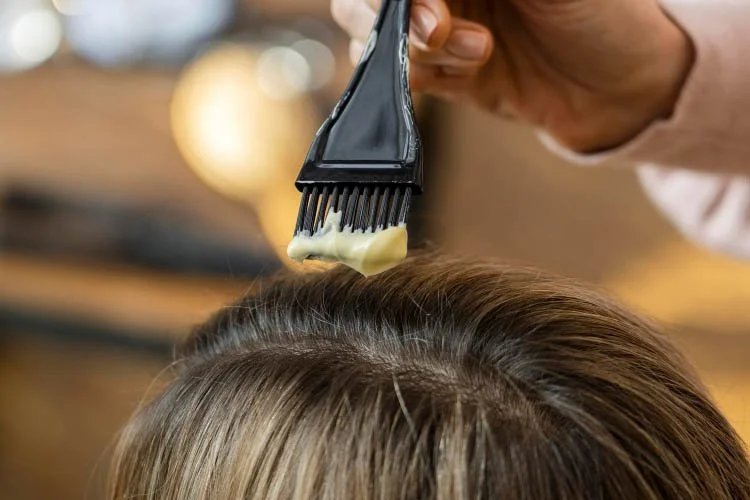
Hair coloring is one of the most popular ways to transform your appearance, refresh your style, or express your personality. Whether you're choosing a natural shade or experimenting with a bold new color, achieving beautiful results requires more than simply applying dye. Many people unknowingly make mistakes before, during, or after the coloring process that can affect both the final color and the health of their hair. These mistakes can lead to uneven tones, excessive dryness, fading, or even costly corrective services. Fortunately, most hair coloring problems can be avoided with the right knowledge and professional guidance.
At Hair Art Academy, students are trained to understand both the science and artistry behind professional hair coloring. By learning proper techniques and educating clients, they help create beautiful, long-lasting results while protecting hair health. Let's explore some of the most common hair coloring mistakes and how to avoid them.
1. Choosing a Color Without Considering Hair Condition
Many people focus only on the color they want without thinking about the condition of their hair.
Ignoring previous treatments: Old color, bleach, or chemical treatments can affect the final result.
Skipping a hair assessment: Dry or damaged hair may not absorb color evenly.
Expecting unrealistic results: Dark hair often requires multiple sessions to achieve lighter shades safely.
A professional consultation helps determine whether your hair is ready for coloring and what approach will produce the healthiest and most predictable outcome.
2. Coloring Hair Too Frequently
Frequent coloring may seem harmless, but it can gradually weaken the hair if done without proper care.
Overlapping color applications: Repeatedly coloring previously processed hair can increase damage.
Ignoring maintenance schedules: Coloring too often can lead to dryness and breakage.
Skipping recovery time: Hair needs time to regain moisture and strength between chemical services.
Professional stylists know how to space appointments appropriately and recommend treatments that keep hair healthy while maintaining vibrant color.
3. Using the Wrong Products After Coloring
The work doesn't end when you leave the salon. Proper aftercare is essential for maintaining your results.
Using harsh shampoos: Sulfates can strip away color more quickly.
Washing with very hot water: Heat opens the hair cuticle and accelerates fading.
Skipping conditioning treatments: Colored hair benefits from regular hydration to stay soft and shiny.
Simple changes to your home haircare routine can significantly extend the life of your color while improving overall hair health.
4. Applying Too Much Heat to Colored Hair
Heat styling can reduce the longevity of your color and increase hair damage if used carelessly.
Skipping heat protectants: Hair becomes more vulnerable without proper protection.
Using excessive temperatures: High heat can dry out color-treated hair.
Frequent styling: Daily straightening or curling may lead to faster fading and increased breakage.
Reducing heat exposure and using protective products helps preserve both the color and the condition of your hair.
5. Trying Complex Color Transformations Without Professional Guidance
Social media often makes dramatic color changes look easy, but professional coloring involves careful planning.
Attempting drastic color changes at home: These often result in uneven or unwanted tones.
Ignoring color correction needs: Existing pigments may need to be addressed before achieving the desired shade.
Skipping strand tests: Testing helps predict how the hair will react to color.
Professional training allows stylists to safely create dramatic transformations while protecting the integrity of the hair.
6. Neglecting Regular Maintenance
Even the best hair color needs ongoing care to stay vibrant and healthy.
Delaying touch-ups: Root growth and fading can make color look uneven.
Skipping trims: Split ends can make freshly colored hair appear dull.
Missing toner or gloss appointments: These services help refresh shine and maintain the desired tone.
Regular salon visits combined with a good home care routine help keep colored hair looking its best throughout the year.
Conclusion
Hair coloring can dramatically enhance your appearance, but achieving long-lasting, healthy results requires proper technique, realistic expectations, and consistent aftercare. By avoiding common mistakes such as overprocessing, poor product choices, excessive heat styling, and neglecting maintenance, you can enjoy vibrant color while keeping your hair strong and healthy. Professional guidance also plays an important role in ensuring each coloring service is customized to your unique hair type and goals.
At Hair Art Academy, students receive comprehensive training in professional hair coloring, hair analysis, and client education to deliver beautiful results with confidence and care. If you're passionate about mastering the art of hair color and helping clients achieve their dream look safely, register for schooling at Hair Art Academy today. Start your journey toward becoming a skilled hairstylist with the knowledge and experience to create stunning transformations.

Jumpstart your career
Whether you’re dreaming of running your own salon, mastering the latest trends, or building a loyal clientele, it all starts with the right education. Don’t wait to turn your passion for hairstyling into a successful career.
Join Hair Art Academy today and take the first step toward a future filled with creativity, growth, and endless possibilities!
