
How Do You Choose the Right Hair Color for Your Skin Tone?
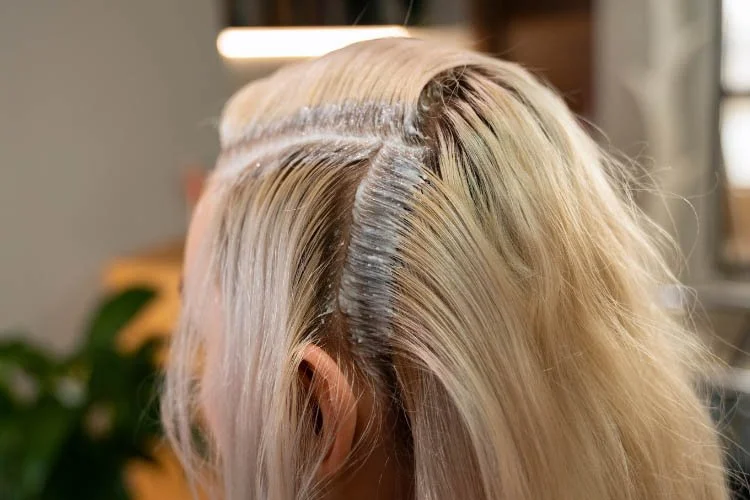
Choosing a new hair color is exciting, but selecting the right shade can feel overwhelming with so many options available. While personal style and current trends certainly play a role, one of the most important factors to consider is your skin tone. The right hair color can brighten your complexion, highlight your features, and create a naturally balanced look, while the wrong shade may make your skin appear dull or washed out. That's why professional color consultations are so valuable—they help match your hair color to your unique features rather than simply following trends. Understanding the relationship between hair color and skin tone can help you make a choice you'll love for months to come.
At Hair Art Academy, students are trained to analyze skin tones, understand color theory, and recommend shades that complement each client's natural beauty. In this blog, we'll explore how professionals choose the right hair color and what factors you should consider before your next coloring appointment.
1. Identify Your Skin's Undertone
Before choosing a hair color, it's important to understand your skin's undertone rather than just its surface color.
Warm undertones: Skin has golden, peach, or yellow hues.
Cool undertones: Skin has pink, red, or bluish tones.
Neutral undertones: A balanced mix of warm and cool tones.
Knowing your undertone helps narrow down shades that naturally complement your complexion. Professional stylists often assess undertones during consultations to recommend colors that enhance your overall appearance rather than competing with it.
2. Match Hair Color Families to Your Skin Tone
Certain hair color families naturally pair better with specific undertones.
Warm undertones: Honey blonde, caramel, golden brown, copper, and warm auburn often work beautifully.
Cool undertones: Ash blonde, platinum, cool brown, espresso, burgundy, and blue-black shades are popular choices.
Neutral undertones: Many warm and cool shades can work well, offering greater flexibility.
Rather than selecting a color because it's trending, choosing one that complements your natural coloring often creates a more flattering and timeless result.
3. Consider Your Eye Color and Natural Hair Color
Your eyes and natural hair color also influence which shades will suit you best.
Eye color harmony: Certain shades help make blue, green, hazel, or brown eyes appear brighter.
Natural base color: Staying within a few shades of your natural hair often produces softer transitions.
Overall balance: Hair color should complement your facial features rather than overpower them.
Professional colorists consider all these elements together to create a customized recommendation instead of relying on a single factor.
4. Think About Maintenance Before Choosing a Shade
The perfect color isn't just about appearance—it should also fit your lifestyle.
Root maintenance: Lighter colors or dramatic changes may require more frequent touch-ups.
Color fading: Some shades, especially reds and fashion colors, may need regular refreshing.
Home care: Color-safe shampoos and conditioning treatments help preserve vibrancy.
Choosing a shade that matches both your beauty goals and your maintenance preferences makes it easier to enjoy your new look long-term.
5. Trust a Professional Consultation
While online filters and inspiration photos can be helpful, they can't replace a professional assessment.
Hair condition evaluation: Stylists check whether your hair is ready for coloring.
Customized recommendations: Suggestions are based on your skin tone, hair type, and desired outcome.
Realistic expectations: Professionals explain whether achieving a certain shade may require multiple appointments.
At a hair academy salon, students learn to combine color theory with careful consultation, ensuring clients receive recommendations that are both beautiful and achievable.
6. Prioritize Hair Health Alongside Color
A beautiful color looks even better on healthy hair.
Prepare hair before coloring: Healthy hair holds color more evenly.
Follow aftercare advice: Proper maintenance helps extend color longevity.
Schedule regular maintenance: Glosses, toners, and trims keep your hair looking vibrant.
Maintaining healthy hair ensures your chosen shade continues to look rich, shiny, and flattering long after your appointment.
Conclusion
Choosing the right hair color involves much more than selecting your favorite shade from a color chart. By understanding your skin's undertone, considering your natural features, planning for maintenance, and seeking professional guidance, you can find a color that enhances your appearance while keeping your hair healthy. A personalized consultation helps ensure your new look feels natural, confident, and perfectly suited to you.
At Hair Art Academy, students are trained in professional color theory, client consultations, and advanced coloring techniques that help clients achieve beautiful, customized results. If you're passionate about learning the art and science of hair coloring, register for schooling at Hair Art Academy today. Build the skills to create stunning, confidence-boosting transformations while preparing for a successful career in the beauty industry.

Jumpstart your career
Whether you’re dreaming of running your own salon, mastering the latest trends, or building a loyal clientele, it all starts with the right education. Don’t wait to turn your passion for hairstyling into a successful career.
Join Hair Art Academy today and take the first step toward a future filled with creativity, growth, and endless possibilities!
