
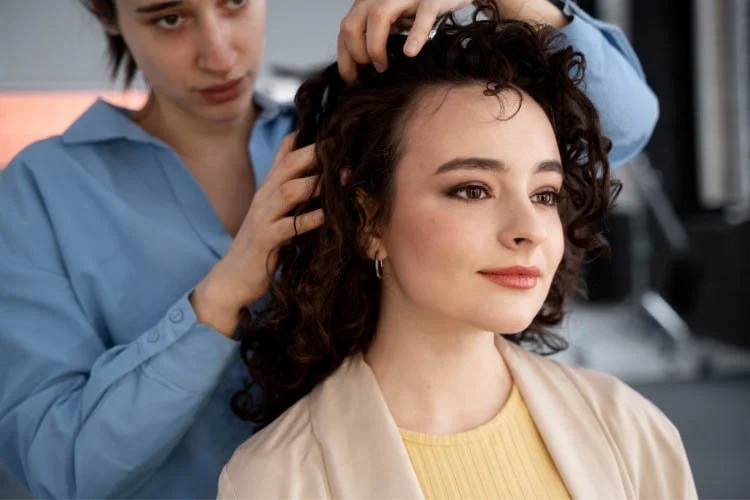
There is nothing more frustrating than spending time creating a full, voluminous hairstyle only to watch it fall flat a few hours later. You may leave the salon with beautiful lift and movement, yet struggle to recreate the same results at home. Hair volume is influenced by much more than the styling technique you use, including your natural texture, hair density, product choices, and even environmental conditions. For some people, maintaining volume requires a carefully adjusted combination of cutting, cleansing, drying, and styling habits. Understanding why your hair loses its lift can help you make better choices and create a routine that works with your natural hair rather than against it.
At Hair Art Academy, students learn that creating volume is not about using one universal product or technique. Professional stylists assess the unique characteristics of each client's hair before recommending ways to create lasting movement and fullness. Here are some common reasons why your hair may lose volume so quickly.
1. Your Hair May Naturally Be Fine or Straight
Hair texture and strand thickness play a major role in how well a hairstyle holds volume. Fine hair often has less structural weight to support dramatic lift, while naturally straight hair may quickly fall back into its original position.
Some characteristics that can affect volume include:
Fine individual strands
Naturally straight texture
Heavy or dense hair
Hair that does not easily hold a curl
Minimal natural root lift
This does not mean your hair cannot look voluminous. It simply means the techniques used to create fullness may need to be adapted to your natural characteristics.
2. Product Buildup Can Weigh Hair Down
Sometimes hair loses volume because there is simply too much sitting on it. Conditioners, oils, styling creams, dry shampoo, and other products can gradually create buildup or make the hair feel heavier.
Signs that products may be affecting volume include:
Hair feeling heavy soon after washing
Roots becoming flat quickly
Styles losing movement
Hair looking dull or coated
Difficulty achieving lift even after blow-drying
Using products strategically can make a difference. Rather than applying volumizing products throughout the entire head, consider focusing lighter formulas near the roots while reserving richer conditioning products for areas that need them most.
3. Your Drying Technique May Be Working Against You
The way hair is dried can strongly influence its final shape. Hair often settles in the direction it is dried, which means allowing the roots to dry completely flat can make it more difficult to create volume later.
Professional styling techniques may include:
Lifting sections away from the scalp while drying
Directing airflow strategically
Using appropriate brushes for the desired finish
Ensuring roots are thoroughly dried
Allowing styled sections to cool before disturbing them
Creating volume often begins during the drying stage rather than after the hair is already flat. Small changes in technique can help establish more lift at the roots.
4. Your Haircut Could Affect How Full Your Hair Looks
The shape of your haircut can either support or reduce the appearance of volume. Hair that is extremely long or heavy may naturally pull downward, while certain cutting techniques can create more movement.
A stylist may consider:
Overall length and weight
Strategic layers
The shape around the crown
Face-framing sections
Your natural density and texture
However, more layers do not automatically mean more volume. On some hair types, excessive layering can make the ends appear thinner. A professional haircut should be customized to create balance rather than following a single formula.
5. Humidity and Environmental Conditions Can Change Your Style
Even a perfectly styled look can change throughout the day. Humidity and moisture in the environment can affect how hair behaves, particularly for people whose hair is sensitive to changes in the air.
Environmental factors may contribute to:
Styles relaxing quickly
Increased frizz
Loss of definition
Roots becoming flat
Changes in natural texture
The products and techniques that work during one season may need adjustment during another. Understanding how your hair responds to different conditions can help you build a more flexible styling routine.
6. Your Styling Method May Need More Support
Sometimes the issue is not that your hair cannot hold volume but that the styling process does not provide enough structure. Volume often requires a combination of preparation, technique, and suitable products.
Depending on your hair, helpful strategies may include:
Using lightweight volumizing products
Avoiding excessive conditioner near the roots
Creating lift during blow-drying
Using rollers or other setting techniques when appropriate
Allowing styled hair to cool before brushing or touching it
The key is to avoid assuming that more product automatically means more volume. Too much product can have the opposite effect, particularly on fine hair.
Conclusion
Hair can lose volume quickly for many reasons, from natural texture and strand thickness to product buildup, haircut shape, drying techniques, and environmental conditions. The best solution is rarely a single product or styling trick. Instead, lasting volume often comes from understanding your hair's individual characteristics and making thoughtful adjustments throughout your routine.
At Hair Art Academy, students learn how to analyze hair texture, density, movement, and styling needs to create personalized results for every client. If you're passionate about mastering professional techniques that transform flat hair into beautifully balanced, voluminous styles, register for schooling at Hair Art Academy today. Build the knowledge and hands-on skills needed to understand what makes every head of hair unique and bring out its best potential.

Jumpstart your career
Whether you’re dreaming of running your own salon, mastering the latest trends, or building a loyal clientele, it all starts with the right education. Don’t wait to turn your passion for hairstyling into a successful career.
Join Hair Art Academy today and take the first step toward a future filled with creativity, growth, and endless possibilities!
