
Why Do Some Haircuts Require Less Maintenance Than Others?
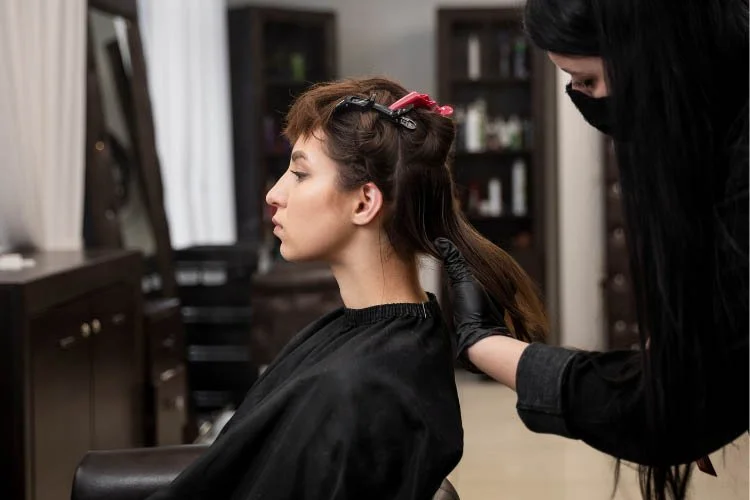
When choosing a haircut, most people focus on how the style looks immediately after leaving the salon. However, an equally important consideration is how much effort it will take to maintain that haircut over time. Some hairstyles seem to fall perfectly into place every day with minimal styling, while others require regular touch-ups, products, and frequent salon visits to keep them looking their best. The difference often comes down to factors such as hair texture, haircut structure, growth patterns, and lifestyle compatibility. Understanding why some haircuts are easier to maintain than others can help you make a more informed decision when selecting your next style. At Hair Art Academy, clients receive personalized recommendations designed to balance appearance, practicality, and long-term manageability.
1. Hair Texture Plays a Major Role
A haircut that is easy to maintain for one person may require significant effort for another.
Straight hair: Often works well with structured cuts that naturally hold their shape
Wavy hair: Can benefit from styles that enhance natural movement
Curly hair: May require cuts designed to distribute volume evenly
Thick or fine hair: Different densities influence how a haircut behaves daily
The easiest haircut is often one that works with your natural texture rather than against it.
2. The Structure of the Haircut Matters
Certain haircut designs are naturally easier to manage.
Balanced layering: Helps hair fall into place more naturally
Soft shaping: Allows styles to grow out gracefully
Simple silhouettes: Require less daily styling effort
Strategic weight distribution: Improves movement and manageability
At Hair Art Academy, haircut structure is carefully planned to support both appearance and convenience.
3. Growth Patterns Affect Maintenance Needs
How your hair grows can influence how quickly a haircut loses its shape.
Fast-growing hair: May require more frequent maintenance
Cowlicks and natural growth patterns: Can affect styling requirements
Layer placement: Influences how well a style grows out
Hairline considerations: Impact the longevity of certain cuts
A well-designed haircut accounts for these factors to remain manageable for as long as possible.
4. Some Styles Depend More on Daily Styling
Not all haircuts are intended to be wash-and-go styles.
Precision cuts: Often require regular styling to maintain their appearance
Highly textured looks: May need specific products for definition
Trend-focused styles: Sometimes require more upkeep to look their best
Structured finishes: Can demand more time and attention each morning
Understanding the daily commitment required helps clients choose styles that fit their routines.
5. Lifestyle Compatibility Makes a Difference
The best haircut is one that fits comfortably into your lifestyle.
Busy professionals: Often benefit from low-maintenance styles
Active individuals: May prefer practical, easy-to-manage cuts
Frequent travelers: Usually appreciate styles that require minimal styling tools
Low-maintenance preferences: Influence haircut recommendations significantly
Hair Art Academy emphasizes choosing styles that support real-life routines rather than creating unnecessary challenges.
6. Professional Consultation Helps Identify the Right Option
Many maintenance issues can be avoided through proper planning.
Hair assessments: Evaluating texture, density, and growth patterns
Lifestyle discussions: Understanding daily habits and preferences
Maintenance expectations: Explaining what each style requires
Personalized recommendations: Matching clients with suitable options
Professional guidance helps ensure that clients choose styles they can comfortably maintain over time.
Conclusion
Some haircuts require less maintenance than others because they are designed to work with natural hair characteristics, growth patterns, and individual lifestyles. Factors such as texture, haircut structure, daily styling requirements, and personal routines all influence how much effort a style will require after leaving the salon. By understanding these elements, clients can make more informed choices and enjoy hairstyles that look great without demanding excessive time or maintenance.
At Hair Art Academy, every haircut begins with a thoughtful consultation aimed at creating styles that are both attractive and practical. Clients receive personalized recommendations, while students learn how to evaluate hair characteristics and design haircuts that support long-term satisfaction.
If you're passionate about helping people find hairstyles that fit their lives and enhance their confidence, register for schooling at Hair Art Academy today and begin your journey toward becoming a skilled and client-focused hairstylist.

Jumpstart your career
Whether you’re dreaming of running your own salon, mastering the latest trends, or building a loyal clientele, it all starts with the right education. Don’t wait to turn your passion for hairstyling into a successful career.
Join Hair Art Academy today and take the first step toward a future filled with creativity, growth, and endless possibilities!
