
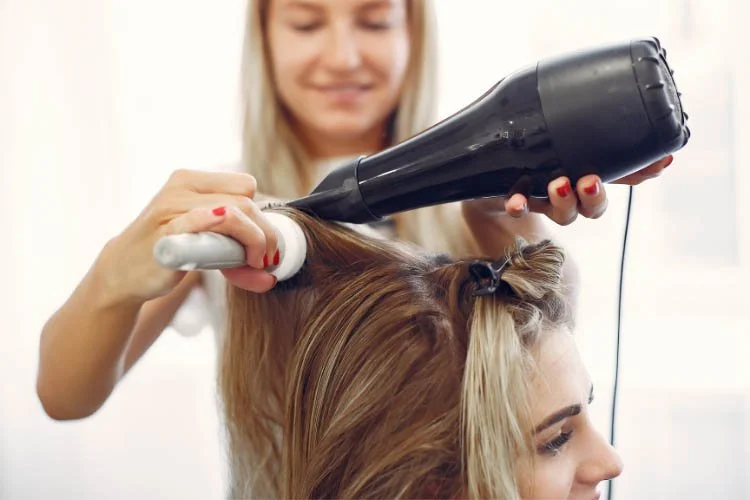
Coloring your hair can be an exciting way to refresh your look, add dimension, or make a dramatic change. However, it is not unusual for some people to notice that their hair feels drier or less manageable after a color service, particularly after significant lightening or multiple chemical processes. Changes in texture can make hair feel rough, tangled, or more difficult to style than usual. The right response depends on your hair's condition, coloring history, and the type of service you received. Rather than immediately trying every product available, taking a thoughtful approach can help you support your hair and avoid adding further stress.
At Hair Art Academy, students learn that successful hair coloring involves both achieving beautiful results and understanding how to care for hair afterward. Proper assessment and personalized aftercare recommendations are important parts of the professional coloring process. Here are some helpful steps to consider if your hair feels dry after coloring.
1. Give Your Hair a Break From Excessive Heat
If your hair already feels dry after coloring, frequent use of high-heat styling tools can add further stress. Flat irons, curling irons, and very hot blow dryers may make it harder to maintain softness and manageability.
Consider reducing:
Frequent straightening or curling
Excessively high styling temperatures
Repeated passes over the same section
Unnecessary daily heat styling
Very hot water during washing
When heat styling is necessary, use an appropriate heat protectant and avoid using a higher temperature than your hair requires. Giving your hair occasional breaks from intensive styling can make your routine gentler overall.
2. Review Your Shampoo and Conditioning Routine
After coloring, your previous products may not always provide the same results. Hair that has been chemically processed can have different conditioning and cleansing needs than untreated hair.
Consider whether your routine includes:
A cleanser suited to your scalp and hair condition
Conditioner that provides adequate slip and softness
Products appropriate for color-treated hair
Occasional treatments used according to instructions
Thorough but gentle rinsing
Avoid assuming that the richest product is automatically the best solution. Some formulas may be too heavy for certain hair types, while others may not provide enough conditioning. Finding the right balance is more useful than simply adding more products.
3. Be Gentle When Your Hair Is Wet
Dry or chemically processed hair may feel more difficult to detangle, making gentle handling especially important. Pulling aggressively through knots can contribute to unnecessary breakage.
Try to:
Detangle gradually from the ends upward
Use a suitable wide-tooth comb or detangling tool
Avoid aggressively rubbing hair with a towel
Gently blot excess water instead
Avoid tight hairstyles when hair is fragile
Small changes in handling can make a meaningful difference over time. The goal is to reduce friction and tension whenever possible.
4. Consider Professional Treatments and Personalized Advice
If your hair continues to feel unusually dry or difficult to manage, a professional consultation can help you understand what may be contributing to the problem. Different types of color services can affect hair differently, so personalized recommendations are often more useful than generic advice.
A stylist may assess:
Your previous coloring history
The level of lightening performed
Your current hair texture and condition
Signs of breakage or uneven porosity
Your existing home-care routine
Based on the assessment, they may recommend appropriate conditioning services or changes to your maintenance routine. A professional can also help determine whether additional chemical services should be postponed while the hair is being cared for.
5. Avoid Immediately Coloring or Processing Your Hair Again
When you are unhappy with the feel or appearance of your hair after a color service, it can be tempting to book another service immediately. However, additional processing may not always be the best first step.
Before making another major change, consider:
How recently the previous service was performed
Whether your hair feels unusually fragile
If further lightening is truly necessary
Whether the desired correction can wait
What a professional recommends after assessing your hair
Patience can be an important part of responsible haircare. Allowing time for reassessment and appropriate maintenance may be preferable to repeatedly processing hair in an attempt to achieve an immediate correction.
6. Know When to Seek Professional or Medical Advice
If dryness is accompanied by significant breakage, scalp irritation, discomfort, or sudden changes that concern you, it is important not to rely solely on general haircare advice. A professional stylist can assess cosmetic concerns, while persistent scalp symptoms or significant hair loss may require evaluation by a qualified healthcare professional.
Pay attention to concerns such as:
Unusual or severe breakage
Persistent scalp irritation
Burning or discomfort
Noticeable changes in hair shedding
Hair that feels increasingly difficult to manage
Seeking appropriate advice early can help you better understand what is happening and avoid experimenting with multiple products or treatments without guidance.
Conclusion
Hair that feels dry after coloring does not necessarily mean you need an entirely complicated new routine. Reducing excessive heat, choosing suitable products, handling wet hair gently, and seeking personalized professional advice can all help you make more thoughtful decisions. Most importantly, avoid rushing into additional processing before understanding your hair's current condition and needs.
At Hair Art Academy, students learn how to approach hair coloring with technical knowledge, careful assessment, and responsible aftercare in mind. If you're passionate about learning how professional stylists create beautiful color while understanding the importance of personalized haircare, register for schooling at Hair Art Academy today. Develop the skills needed to help clients make confident decisions and care for their hair beyond the salon chair.

Jumpstart your career
Whether you’re dreaming of running your own salon, mastering the latest trends, or building a loyal clientele, it all starts with the right education. Don’t wait to turn your passion for hairstyling into a successful career.
Join Hair Art Academy today and take the first step toward a future filled with creativity, growth, and endless possibilities!
