What Does a Typical Week Look Like for a Hair Academy Student?
Starting your journey as a hair academy student is exciting, inspiring, and full of hands-on learning. But many future stylists wonder what their weekly routine will actually look like. Is it all theory? Is it mostly practice? Is there time for creativity? A typical week in a hair academy blends all of these elements in a balanced, engaging way. Students learn, experiment, collaborate, and grow — both technically and creatively.
At Hair Art Academy, every week is designed to build confidence step by step. Students don’t just study hairstyling; they live it. From mastering cutting angles and practicing new techniques to working with real clients under instructor supervision, each day brings new learning opportunities. Whether you're dreaming of becoming a salon stylist, color specialist, or fashion runway artist, your weekly schedule plays a key role in preparing you for a successful, rewarding career.
Here’s a realistic look at what a typical week might look like for a student at Hair Art Academy.
1. Theory Sessions at the Beginning of the Week
Most weeks start with foundational learning — the theory that guides everything a stylist does.
Understanding the basics: Lessons in color theory, hair structure, sanitation, and product knowledge.
Demonstrations: Instructors showcase new techniques, tools, and methods for students to practice.
Visual learning: Videos, diagrams, and mannequin demonstrations help students analyze steps clearly.
These sessions set the tone for the week, giving students the knowledge they need before heading into hands-on practice.
2. Hands-On Practice on Mannequin Heads
After theory, students dive into practical training, applying what they learned on mannequins.
Practice sessions: Students work on cuts, coloring techniques, blowouts, braiding, or updos.
Repetition for mastery: The more they repeat each skill, the more natural and precise it becomes.
Instructor feedback: Students receive real-time corrections to improve technique and build confidence.
This phase allows students to experiment safely while developing their artistic and technical foundation.
3. Client Days for Real-World Experience
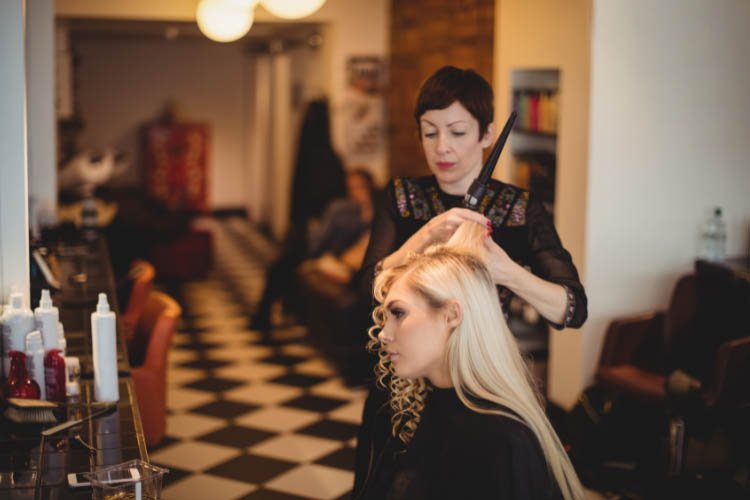
One of the most exciting parts of training is working with real clients — and this happens regularly throughout the week.
Supervised services: Students perform trims, colors, treatments, or styling while instructors monitor each step.
Consultation practice: Learning to understand client expectations and provide professional recommendations.
Time management: Students experience the flow of a real salon, learning to balance quality with efficiency.
These client days are essential for building confidence and preparing students for real salon environments after graduation.
4. Creative Sessions and Skill-Building Workshops
Hair academy life isn’t just about basics — creativity is always encouraged.
Trend-based workshops: Students practice modern styles like balayage, textured cuts, editorial looks, or runway hairstyles.
Instructor-led challenges: Weekly creative challenges spark imagination and help students push beyond comfort zones.
Portfolio building: Students capture photos of their best work for future career opportunities.
This time keeps learning exciting and inspires students to explore their personal style.
5. Team Collaboration and Peer Learning
A typical week also includes opportunities to learn from classmates through teamwork and collaboration.
Partner practice: Students pair up to practice consultations, techniques, or corrections.
Group discussions: Sharing challenges, solutions, and creative ideas fosters confidence and community.
Supportive environment: Peers encourage each other, making learning more enjoyable and less intimidating.
These interactions mirror real salon teamwork and help students develop communication skills that are essential for success.
6. Weekly Assessments and Goal Reviews
Hair academies also use weekly evaluations to help students track their progress.
Instructor check-ins: Feedback highlights strengths and areas for improvement.
Skill assessments: Students demonstrate techniques they learned during the week.
Goal setting: Each week ends with clear objectives to guide the upcoming lessons.
This structure helps students stay motivated and aware of how much they’re growing.
Conclusion
A typical week at a hair academy blends theory, hands-on practice, creativity, teamwork, and real-world experience. Students sharpen their technical skills, build strong communication abilities, explore artistic expression, and gain the confidence needed to thrive in salon environments. At Hair Art Academy, every week is carefully designed to help you grow into a well-rounded, passionate, and skilled stylist ready for a successful career.
If you’re ready to begin a learning journey filled with creativity, confidence, and real-world experience, register today at Hair Art Academy. Start your path toward becoming a professional stylist who transforms hair — and lives — with every cut and color.

Jumpstart your career
Whether you’re dreaming of running your own salon, mastering the latest trends, or building a loyal clientele, it all starts with the right education. Don’t wait to turn your passion for hairstyling into a successful career.
Join Hair Art Academy today and take the first step toward a future filled with creativity, growth, and endless possibilities!
