What Causes Dry and Damaged Hair?
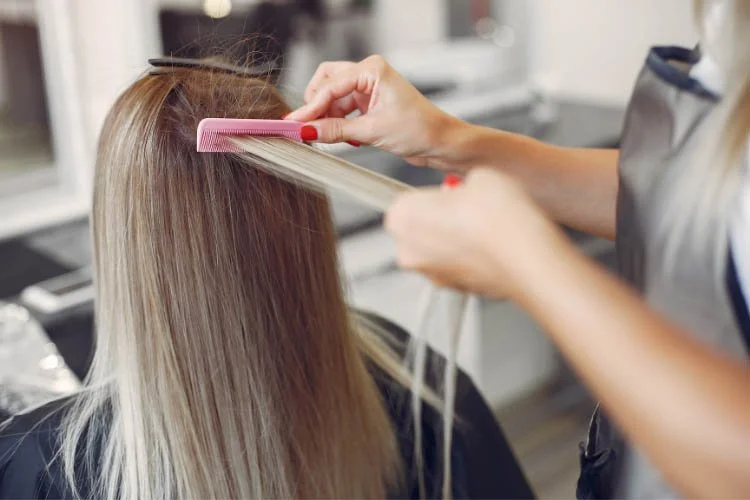
Dry, damaged hair can make even the simplest styling routine feel frustrating. Hair that once felt soft and manageable may gradually become rough, dull, tangled, or prone to breakage. While many people assume damaged hair is caused by one specific product or styling habit, the reality is that several factors can contribute to changes in hair condition over time. Frequent heat styling, chemical services, environmental exposure, and everyday handling can all place stress on the hair. Understanding the possible causes of dryness and damage is the first step toward making better haircare choices and preventing further problems.
At Hair Art Academy, students learn to assess hair condition and understand how different habits, products, and services can affect its overall appearance and manageability. By identifying the source of the problem, stylists can recommend more personalized approaches to haircare. Here are some of the most common factors that can cause dry and damaged hair.
1. Frequent Heat Styling
Blow dryers, flat irons, curling irons, and other heated tools can make styling easier, but repeated or excessive heat exposure may gradually affect the hair's condition.
Common heat-related concerns include:
Loss of moisture and softness
Increased roughness
Greater susceptibility to breakage
Reduced shine
Difficulty maintaining natural texture
Using excessively high temperatures or repeatedly passing a hot tool over the same section can increase stress on the hair. Applying a suitable heat protectant and using the lowest effective temperature can help reduce unnecessary exposure.
2. Chemical Processing and Color Treatments
Coloring, bleaching, relaxing, perming, and other chemical services can alter the structure of the hair. When performed too frequently or without considering the hair's existing condition, these services may contribute to dryness and breakage.
Factors that can affect hair condition include:
Frequent lightening sessions
Overlapping chemical applications
Multiple services performed too closely together
Previously processed hair
Improper at-home maintenance
This doesn't mean chemical services should always be avoided. Professional consultation, careful timing, and appropriate aftercare can help clients make informed decisions while prioritizing hair condition.
3. Rough Everyday Handling
Damage doesn't only occur during major salon services. Small, repeated actions can also create friction and stress over time.
Examples include:
Brushing aggressively through knots
Rough towel drying
Frequently wearing very tight hairstyles
Pulling on wet, fragile hair
Using accessories that snag or catch strands
Gentler handling can make a meaningful difference. Detangling slowly, using appropriate tools, and reducing unnecessary tension helps protect the hair from avoidable breakage.
4. Environmental Exposure
Your surroundings can also influence how your hair looks and feels. Sun exposure, wind, dry air, pollution, and frequent contact with chlorinated or salty water may leave hair feeling less manageable.
Environmental stress can contribute to:
Dryness and dullness
Increased tangling
Faded hair color
Rougher texture
Protective hairstyles, appropriate conditioning, and rinsing the hair after swimming can help reduce some of these effects. Adjusting your routine based on your environment can also support healthier-looking hair throughout the year.
5. Using Products That Don't Suit Your Hair
More products don't necessarily mean healthier hair. Using formulas that are too heavy, too harsh, or unsuitable for your hair and scalp can affect how your hair behaves.
Potential issues may include:
Product buildup
Hair feeling weighed down
Excess dryness after cleansing
Reduced manageability
Difficulty achieving desired styles
Your hair's needs may also change over time due to coloring, lifestyle changes, climate, or styling habits. Reassessing your routine occasionally can help ensure your products still suit your current needs.
6. Skipping Regular Maintenance
Waiting until hair is severely damaged before making changes can make it more difficult to manage. Consistent maintenance helps identify concerns before they become more noticeable.
A healthy maintenance routine may include:
Regular trims to manage split ends
Appropriate conditioning treatments
Periodic professional consultations
Adjusting routines after chemical services
Reducing damaging styling habits
Prevention is often easier than attempting to improve the appearance of extensively damaged hair. Small, consistent habits can help preserve softness, strength, and manageability over time.
Conclusion
Dry and damaged hair can result from a combination of factors rather than one single cause. Heat styling, chemical processing, rough handling, environmental exposure, unsuitable products, and inconsistent maintenance can all affect the condition of your hair. Understanding these causes allows you to make smarter choices and build a routine that supports healthier-looking hair while reducing unnecessary damage.
At Hair Art Academy, students learn how to understand hair health, recognize signs of damage, and recommend personalized care based on each client's individual needs. If you're passionate about learning the science and artistry behind professional haircare, register for schooling at Hair Art Academy today. Develop the knowledge and practical skills needed to help clients protect, maintain, and feel confident about their hair.

Jumpstart your career
Whether you’re dreaming of running your own salon, mastering the latest trends, or building a loyal clientele, it all starts with the right education. Don’t wait to turn your passion for hairstyling into a successful career.
Join Hair Art Academy today and take the first step toward a future filled with creativity, growth, and endless possibilities!
