
How Does Stress Affect Your Hair?
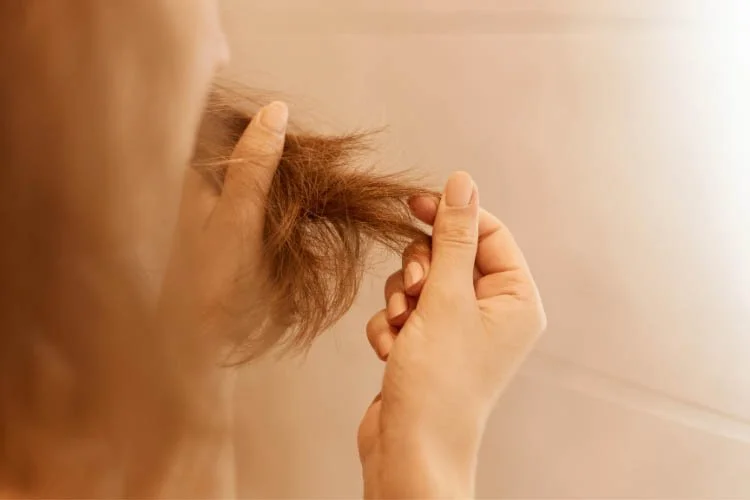
Stress affects more than just your mood and energy levels—it can also have a noticeable impact on your hair. While occasional stress is a normal part of life, prolonged physical or emotional stress can interfere with the natural hair growth cycle, leaving your hair looking thinner, weaker, or less healthy than usual. Many people are surprised to learn that changes in their hair can sometimes be linked to what’s happening in their daily lives rather than the products they use. If you’ve noticed increased shedding, dullness, or changes in your scalp, stress may be one of the contributing factors. Understanding this connection can help you take better care of both your hair and your overall well-being.
At Hair Art Academy, students learn that healthy hair starts with understanding the many factors that influence it—including lifestyle, scalp health, and overall wellness. In this blog, we’ll explore how stress can affect your hair and what you can do to minimize its impact.
1. Stress Can Disrupt the Hair Growth Cycle
Healthy hair grows in a natural cycle, but stress can interrupt this process.
Increased hair shedding: Stress may cause more hair follicles to enter the resting phase, leading to noticeable shedding a few months later.
Slower hair growth: Hair may take longer to grow as the normal cycle becomes disrupted.
Temporary thinning: Some people experience overall thinning rather than hair loss in one specific area.
Although stress-related shedding is often temporary, early attention and proper care can help support healthier hair as it recovers.
2. Your Hair May Become Dry and More Fragile
Stress doesn't just affect how much hair you have—it can also affect its quality.
Loss of natural shine: Hair may appear dull or lifeless.
Increased breakage: Dry, weakened strands are more likely to snap during brushing or styling.
Reduced softness: Hair can feel rougher and more difficult to manage.
Combining stress management with moisturizing haircare products and professional treatments can help restore softness and improve overall hair condition.
3. Stress Can Affect Your Scalp Health
A healthy scalp is the foundation for healthy hair, and stress can sometimes disrupt this balance.
Dryness or excess oil: Stress may contribute to changes in scalp oil production.
Flaking or irritation: Some people notice increased scalp sensitivity during stressful periods.
Itching or discomfort: Ongoing stress can make existing scalp concerns feel more noticeable.
Professional scalp assessments can help identify the underlying cause and recommend treatments that support healthier hair growth.
4. Unhealthy Habits During Stress Can Increase Hair Damage
When life becomes busy or overwhelming, haircare routines are often neglected.
Skipping regular trims: Split ends and breakage may become worse over time.
Poor nutrition or hydration: Healthy hair depends on a balanced diet and adequate water intake.
Excessive heat styling: Many people rely on quick styling methods that can increase damage.
Maintaining simple, consistent haircare habits—even during stressful times—can make a significant difference in your hair's long-term health.
5. Professional Care Can Help Support Hair Recovery
While reducing stress is important, professional haircare also plays a valuable role in recovery.
Hair and scalp assessments: Stylists can identify signs of damage or stress-related changes.
Moisturizing treatments: Deep conditioning services help restore hydration and strength.
Personalized recommendations: Professional advice ensures you use products and routines suited to your specific hair needs.
Working with a trained stylist helps you address concerns early while creating a long-term plan to support healthier hair.
6. Healthy Lifestyle Choices Benefit Both Hair and Overall Well-Being
Taking care of your overall health often has positive effects on your hair as well.
Prioritize quality sleep: Rest supports the body's natural repair processes.
Manage stress effectively: Activities like exercise, meditation, or hobbies can help reduce daily stress.
Maintain a balanced routine: Good nutrition, hydration, and regular salon visits all contribute to healthier-looking hair.
Hair health reflects many aspects of your lifestyle, making self-care an important part of any haircare routine.
Conclusion
Stress can influence your hair in many ways, from increased shedding and slower growth to dryness, breakage, and scalp discomfort. While these changes can be concerning, they're often manageable with the right combination of healthy habits, professional guidance, and consistent haircare. Paying attention to your hair's changing needs during stressful periods can help protect its strength, shine, and overall health.
At Hair Art Academy, students are trained to understand the connection between hair health, scalp care, and overall wellness while providing personalized guidance to every client. If you're passionate about helping people care for their hair and build confidence through professional hairstyling, register for schooling at Hair Art Academy today. Begin your journey toward becoming a knowledgeable stylist who understands that great hair starts with both skill and care.

Jumpstart your career
Whether you’re dreaming of running your own salon, mastering the latest trends, or building a loyal clientele, it all starts with the right education. Don’t wait to turn your passion for hairstyling into a successful career.
Join Hair Art Academy today and take the first step toward a future filled with creativity, growth, and endless possibilities!
