How Do Stylists Turn an Inspiration Photo Into a Personalized Hairstyle?
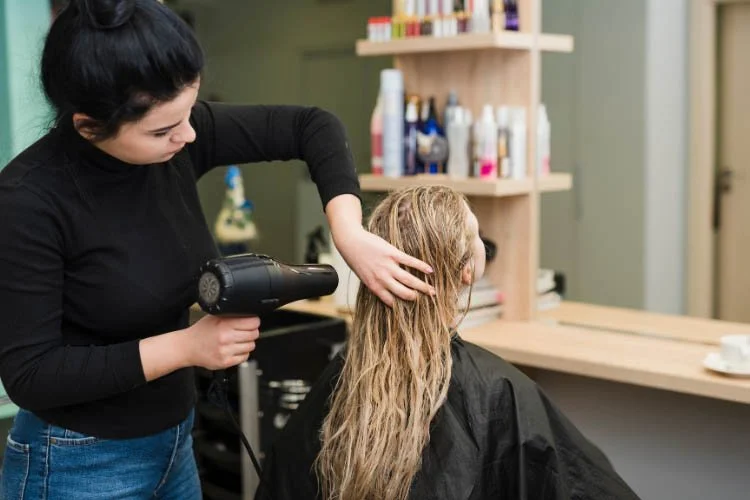
Bringing an inspiration photo to a salon has become one of the easiest ways to communicate the look you want. Whether the image comes from Instagram, Pinterest, a celebrity red carpet, or a hairstyle you've saved for months, it gives your stylist a visual starting point. However, a great stylist knows that the goal isn't simply to copy the hairstyle exactly. The person in the photo may have a completely different hair texture, density, face shape, natural color, or daily styling routine. This is why professional hairstyling is about interpretation as much as technique. A skilled stylist takes the elements you love about an inspiration photo and transforms them into a version that works specifically for you.
At Hair Art Academy, students learn how to turn creative inspiration into personalized results through detailed consultations, hair analysis, and professional techniques. Here's a closer look at how stylists transform a simple reference photo into a hairstyle designed around the individual sitting in their chair.
1. Understanding What You Actually Love About the Photo
An inspiration photo can contain many different elements, and a stylist's first job is to identify which ones matter most to the client.
The haircut shape: You may love the layers, length, or overall silhouette.
The color: Perhaps it's the highlights, dimension, or tone that caught your attention.
The texture: You may be drawn to soft waves, sleek styling, or natural curls.
The overall feeling: Sometimes it's less about one detail and more about the style's overall personality.
A stylist will often ask specific questions rather than assuming you want every element in the picture. For example, you may love the face-framing layers but prefer to keep more length than the person in the photo. Breaking down the inspiration helps create a clearer and more personalized plan.
2. Analyzing Your Natural Hair Characteristics
The same haircut can behave very differently depending on the person wearing it. Before recreating an inspired look, stylists carefully assess the client's natural hair.
Texture: Straight, wavy, curly, and coily hair respond differently to cutting and styling.
Density: Fine and thick hair may require completely different techniques.
Growth patterns: Cowlicks and natural movement influence how hair falls.
Hair condition: Previous coloring or damage can affect what is safely achievable.
Instead of forcing your hair to behave exactly like the hair in a photograph, a professional stylist works with its natural characteristics. This is what helps create a version of the style that looks beautiful beyond the salon chair and remains practical in everyday life.
3. Adapting the Style to Complement Your Features
A personalized hairstyle should complement the individual rather than simply replicate someone else's appearance.
Face proportions: Layer placement and length can be adjusted to create visual balance.
Features to highlight: Certain styles can draw attention to the eyes, cheekbones, or jawline.
Personal style: A bold editorial look may be softened for someone who prefers a classic appearance.
Comfort level: Dramatic changes can be adjusted to feel more approachable.
The inspiration photo provides the creative direction, but personalization ensures the finished result feels like it belongs to the client. A great stylist combines technical knowledge with artistic judgment to create a look that captures the same feeling without becoming an exact copy.
4. Considering Lifestyle and Styling Habits
One of the most important questions a stylist can ask is how much time a client is willing to spend on their hair each day.
Daily styling time: Some looks require regular blow-drying or heat styling.
Maintenance preferences: Certain cuts and colors need frequent salon visits.
Professional lifestyle: Clients may need styles that transition easily between work and social events.
Home styling skills: A complicated style may not suit someone who prefers a simple routine.
A beautiful hairstyle isn't truly successful if it only looks good immediately after a professional styling session. Stylists adapt inspiration to create a version that fits the client's real lifestyle and maintenance preferences.
5. Setting Realistic Expectations Before Beginning
Inspiration photos can sometimes be influenced by professional lighting, extensions, filters, or extensive styling. A responsible stylist helps clients understand what is realistically achievable with their current hair.
Hair history matters: Previous coloring or chemical treatments can influence the process.
Major changes may take time: Dramatic transformations may require multiple appointments.
Healthy hair comes first: A stylist may recommend a gradual approach to protect hair integrity.
The result may be customized: Adjustments can create a look better suited to the client.
Honest communication is an essential part of personalization. Rather than promising an identical result, a skilled stylist explains how the inspiration can be adapted safely and realistically.
6. Combining Creativity With Professional Expertise
The final stage is where artistic vision and technical skill come together. Stylists use the inspiration photo as a creative guide while applying their own knowledge to customize the final result.
Technique selection: Different cutting or coloring methods are chosen for individual hair.
Customized details: Layers, fringe, color placement, and texture are adjusted.
Professional guidance: The stylist makes recommendations based on experience and training.
A unique final look: The result is inspired by the photo but designed specifically for the client.
This ability to interpret rather than simply copy is one of the skills that separates professional hairstyling from basic imitation. Every client brings different hair, features, expectations, and lifestyle needs, which means every successful hairstyle should have an element of personalization.
Conclusion
An inspiration photo is a valuable communication tool, but it is only the beginning of the hairstyling process. Professional stylists look beyond the image to understand what the client truly wants and then consider factors such as hair texture, density, facial features, lifestyle, maintenance preferences, and hair condition. The result is not simply a copy of someone else's hairstyle, but a customized interpretation that feels natural and personal.
At Hair Art Academy, students learn how to combine creativity with consultation skills and technical expertise to create hairstyles tailored to real people. If you're passionate about transforming ideas into personalized looks and helping clients feel confident in their own unique style, register for schooling at Hair Art Academy today. Start building the knowledge and skills needed to turn inspiration into beautiful, customized results.

Jumpstart your career
Whether you’re dreaming of running your own salon, mastering the latest trends, or building a loyal clientele, it all starts with the right education. Don’t wait to turn your passion for hairstyling into a successful career.
Join Hair Art Academy today and take the first step toward a future filled with creativity, growth, and endless possibilities!
