How Do Professional Stylists Decide Which Techniques Are Safe for Your Hair?
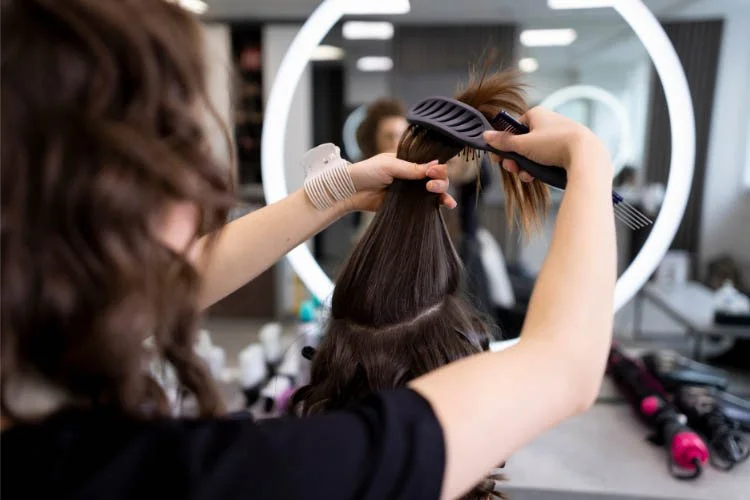
A beautiful hair transformation should never be considered separately from the condition of the hair itself. Whether you want to go lighter, try a chemical treatment, add extensions, or make a dramatic change, professional stylists must consider how your hair is likely to respond before choosing a technique. What works safely for one person may not be appropriate for someone with a different hair history or condition. This is why experienced stylists don't simply follow a requested service step by step without first evaluating the individual sitting in their chair. They combine technical knowledge, careful observation, and client communication to make decisions that balance desired results with responsible hair care.
At Hair Art Academy, students learn that professional hairstyling involves much more than mastering the latest cuts and color trends. Understanding hair structure, chemical processes, and proper consultation techniques helps future stylists make informed decisions for every client. Here are some of the key factors professionals consider when determining which techniques may be appropriate for your hair.
1. They Begin With a Thorough Hair Consultation
Before starting a major service, a professional stylist gathers information about the client's hair goals and history. This conversation helps identify potential concerns that may affect the technique or process.
A stylist may ask about:
Previous coloring or bleaching services
Chemical treatments such as relaxing or smoothing
Recent heat styling habits
Current haircare routines
The desired result and maintenance expectations
Being honest during a consultation is important because even treatments performed months ago can influence how hair responds. A complete picture allows the stylist to plan a service more carefully rather than making assumptions based only on how the hair looks.
2. They Assess the Current Condition of Your Hair
Hair history is important, but stylists also examine the hair's current appearance and behavior. Signs of dryness, breakage, uneven texture, or previous chemical damage can influence which techniques are suitable.
They may evaluate factors such as:
Overall strength and elasticity
Visible breakage or split ends
Dryness and roughness
Uneven porosity
Signs of previous processing
If the hair appears compromised, a stylist may recommend adjusting the original plan. This could mean choosing a gentler technique, working gradually over multiple appointments, or postponing a more intensive service while focusing on improving the hair's condition.
3. They Consider Your Hair Type and Natural Characteristics
Every head of hair is different. Texture, density, curl pattern, and growth direction can all affect how a particular technique performs.
For example, stylists may consider:
Whether the hair is straight, wavy, curly, or coily
How fine or coarse individual strands are
The overall density of the hair
Natural growth patterns and cowlicks
How the hair responds to moisture and styling
A technique that creates beautiful results on thick, resilient hair may need to be modified for finer or more fragile strands. Professional training helps stylists understand how to adapt techniques instead of assuming one method works for everyone.
4. They Evaluate the Chemical History Before Major Changes
Chemical history is particularly important when clients want significant color transformations. Previously colored or lightened hair may react differently than untreated hair.
A stylist may need to consider:
How many times the hair has been colored
Whether permanent or semi-permanent products were used
Previous bleaching or lightening
The timing of recent chemical services
Whether different sections have different processing histories
For major transformations, a professional may recommend a gradual process rather than attempting everything in one appointment. Taking more time can allow for better control while reducing unnecessary stress on the hair.
5. They May Recommend Adjusting the Desired Technique
Professional expertise sometimes means telling a client that the exact technique they requested isn't the best option at that moment. Rather than seeing this as a limitation, it can be an opportunity to find a more suitable approach.
Possible alternatives may include:
Choosing dimensional color instead of extensive lightening
Gradually transitioning toward a dramatic shade
Using a lower-maintenance color placement
Modifying a haircut to work with natural texture
Focusing on conditioning and maintenance before another service
The goal is to create a result that looks beautiful while considering the client's long-term hair goals. A good stylist doesn't simply focus on what is possible today but also thinks about how the hair may respond afterward.
6. They Combine Technical Knowledge With Ongoing Observation
Hair doesn't always respond exactly as expected, which is why professional stylists continue to observe it throughout a service. They pay attention to changes in texture, elasticity, and overall condition and adjust their approach when necessary.
Professional decision-making involves:
Understanding product instructions and limitations
Monitoring hair during processing
Using appropriate techniques and timing
Recognizing when a service should be adjusted
Prioritizing responsible results over rushing a transformation
This combination of knowledge and observation is one of the reasons professional education is so important in hairstyling. Techniques may be learned through practice, but knowing when and how to adapt them requires a deeper understanding of hair.
Conclusion
Professional stylists don't choose techniques based solely on the latest trend or a client's inspiration photo. They consider hair history, current condition, texture, chemical exposure, and the desired outcome before creating a personalized plan. Sometimes the safest approach involves modifying expectations or taking a transformation gradually, but thoughtful decisions can help support better-looking and more manageable results in the long run.
At Hair Art Academy, students develop the technical knowledge and hands-on experience needed to assess hair carefully and make informed professional decisions. If you're passionate about learning the science, creativity, and responsibility behind professional hairstyling, register for schooling at Hair Art Academy today. Build the skills needed to create personalized results while putting thoughtful hair care at the center of every service.

Jumpstart your career
Whether you’re dreaming of running your own salon, mastering the latest trends, or building a loyal clientele, it all starts with the right education. Don’t wait to turn your passion for hairstyling into a successful career.
Join Hair Art Academy today and take the first step toward a future filled with creativity, growth, and endless possibilities!
