How Are Students Trained to Handle Difficult Hair Types or Textures?
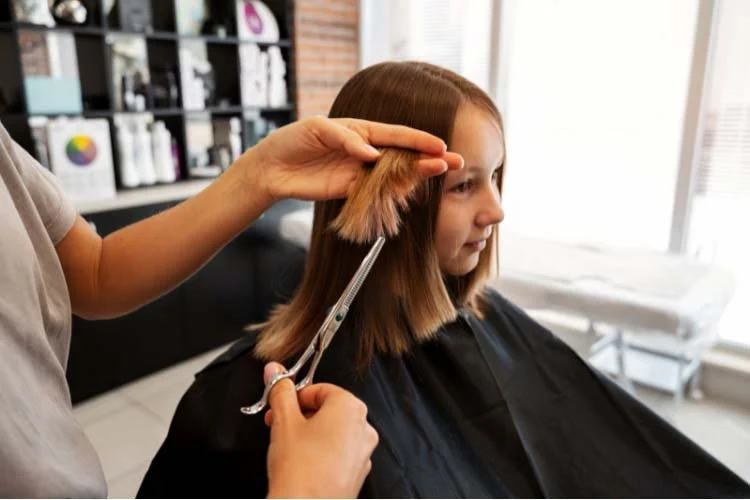
Every head of hair is different — and that’s what makes hairstyling both exciting and challenging. From extremely fine hair that lacks volume to thick, coarse, curly, or highly textured hair that requires extra care, “difficult” hair types are not uncommon in salons. For aspiring stylists, learning how to work confidently with these textures is a crucial part of professional training.
At Hair Art Academy, students are taught early on that there is no such thing as “bad” or “problem” hair — only hair that needs a thoughtful, informed approach. Through structured education, hands-on practice, and close instructor guidance, students learn how to adapt their techniques to suit a wide variety of hair types and textures safely and effectively.
In this blog, we’ll explore how hair academy students are trained to handle challenging hair textures and why this training is essential for building confidence, skill, and client trust.
1. Learning the Science Behind Hair Types
Before students begin working hands-on, they first learn the theory behind different hair types and textures.
Hair structure education: Students study the cuticle, cortex, and medulla to understand how hair behaves.
Texture and density analysis: Training includes recognizing fine, medium, and coarse hair, as well as straight, wavy, curly, and coily textures.
Porosity and elasticity: Students learn how moisture retention and strength affect styling and chemical services.
This scientific foundation helps students make informed decisions instead of relying on guesswork.
2. Detailed Hair and Scalp Analysis Before Every Service
One of the most important habits students develop is performing a thorough hair and scalp analysis.
Assessing hair condition: Students check for dryness, damage, breakage, or previous chemical history.
Understanding growth patterns: Cowlicks, shrinkage, and natural movement are carefully evaluated.
Client lifestyle considerations: Maintenance routines and styling preferences are discussed before planning the service.
This analysis allows students to customize techniques rather than applying the same method to every client.
3. Specialized Cutting and Styling Techniques
Different hair types require different approaches — especially when it comes to cutting and styling.
Fine hair techniques: Students learn to create shape and volume without thinning excessively.
Thick or coarse hair handling: Training focuses on weight distribution, layering, and controlled bulk removal.
Curly and textured hair methods: Students are taught to cut with curl patterns, respect shrinkage, and preserve natural definition.
All techniques are practiced under instructor supervision to ensure safety and accuracy.
4. Product Knowledge and Customization
Using the wrong product can make even healthy hair difficult to manage. Hair academies place strong emphasis on product education.
Matching products to texture: Students learn which shampoos, conditioners, and stylers suit specific hair types.
Moisture and protein balance: Training includes understanding when hair needs hydration versus strengthening.
Avoiding buildup and damage: Students learn how overuse or misuse of products can affect hair health.
This knowledge helps students enhance hair performance instead of working against it.
5. Safe Use of Heat and Chemical Services
Difficult hair textures often require extra care when heat or chemicals are involved.
Temperature control: Students are trained to adjust heat tools based on hair sensitivity.
Chemical suitability checks: Relaxers, color, or smoothing treatments are only performed after proper analysis.
Protective techniques: Heat protectants, bond builders, and conditioning steps are integrated when needed.
Instructor approval is required before advanced services, ensuring hair health is always prioritized.
6. Patience, Technique, and Gentle Handling
Handling challenging hair types isn’t just about skill — it’s about mindset.
Gentle detangling: Students are trained to work slowly and carefully, especially with textured or fragile hair.
Tool selection: Wide-tooth combs, curl-friendly brushes, and appropriate sectioning tools are emphasized.
Client comfort: Students regularly check in to ensure the process is comfortable and stress-free.
This patient approach builds trust and creates a positive experience for clients.
7. Instructor Feedback and Continuous Improvement
Every service becomes a learning opportunity.
Real-time corrections: Instructors guide students during services to refine techniques.
Post-service reviews: Students reflect on what worked and what could improve.
Confidence building: Over time, repeated exposure builds skill and self-assurance.
This ongoing feedback ensures students graduate feeling confident handling all hair types — not just the easy ones.
Conclusion
Handling difficult hair types or textures is one of the most important skills a professional stylist can have. Through education, hands-on practice, and expert supervision, hair academy students learn how to approach every client with confidence, respect, and adaptability. At Hair Art Academy, students are trained to see challenging hair not as an obstacle, but as an opportunity to demonstrate skill, care, and professionalism.
If you’re ready to become a stylist who can confidently work with all hair types and textures, register at Hair Art Academy today. Begin your journey in a learning environment that builds versatility, compassion, and true expertise — one client, one texture, and one transformation at a time.

Jumpstart your career
Whether you’re dreaming of running your own salon, mastering the latest trends, or building a loyal clientele, it all starts with the right education. Don’t wait to turn your passion for hairstyling into a successful career.
Join Hair Art Academy today and take the first step toward a future filled with creativity, growth, and endless possibilities!
