
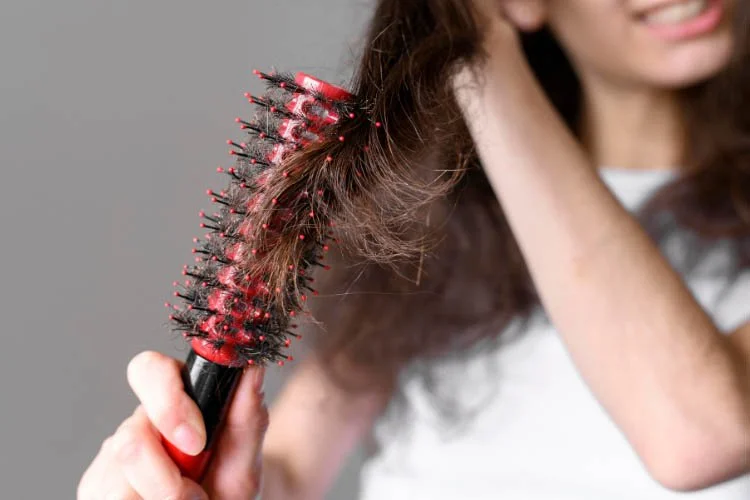
Brushing your hair seems like one of the simplest parts of a daily routine, but the way you do it can influence how your hair looks, feels, and responds to styling. Some people brush their hair several times a day, while others avoid brushing altogether because they are worried about breakage or disrupting their natural texture. The truth is that there is no single brushing routine that works perfectly for everyone. Hair texture, length, condition, styling habits, and the type of tool being used can all affect how often and how gently hair should be detangled. Understanding your hair's individual needs can help you find a balance between excessive brushing and not giving your hair enough attention.
At Hair Art Academy, students learn that even simple everyday habits can make a difference in professional haircare. Knowing when, how, and with what tool to brush different types of hair is an important part of understanding personalized hair routines. Here are some factors to consider when deciding whether you may be brushing your hair too much—or not enough.
1. More Brushing Doesn't Always Mean Healthier Hair
Many people have heard the idea that brushing hair repeatedly is good for it. While gentle brushing can help remove tangles and distribute natural oils along the hair shaft, excessive brushing can create unnecessary friction.
Over-brushing may contribute to:
Increased friction between strands
More mechanical stress on fragile hair
Disruption of curls or waves
Frizz and flyaways
Unnecessary pulling at the roots
The goal should not be to reach a specific number of brush strokes each day. Instead, brush when your hair needs detangling or styling, while avoiding repetitive brushing simply out of habit.
2. Your Hair Texture Influences How You Should Detangle
Different hair textures respond differently to brushing. A technique that works well for straight hair may not be suitable for curly or coily textures.
For example:
Straight hair can often be brushed gently when dry
Wavy hair may benefit from gentler detangling
Curly hair is often detangled in a way that preserves curl definition
Coily and tightly textured hair may require sectioning and added slip
The right approach depends on the individual and their preferred styling routine. Rather than following a universal rule, pay attention to how your hair responds to different tools and techniques.
3. Brushing Too Aggressively Can Cause Problems
How you brush can matter just as much as how often you brush. Pulling forcefully through knots can place unnecessary tension on the hair and scalp, particularly when the hair is wet or already fragile.
A gentler detangling approach may include:
Starting near the ends
Gradually working upward
Holding the section to reduce pulling at the scalp
Working through small tangles patiently
Using an appropriate detangling tool
Taking a little more time can help prevent the frustration that often leads to aggressive brushing. If tangles are severe or frequent, reviewing your conditioning and detangling routine may also be helpful.
4. The Wrong Brush Can Work Against Your Hair
Not every brush is designed for every purpose. The tool that creates a sleek blowout may not be the best choice for everyday detangling, and a brush that works beautifully on thick hair may feel too harsh on fine strands.
Different tools can serve different purposes, such as:
Wide-tooth combs for gentle detangling
Flexible brushes for certain wet-hair routines
Round brushes for blow-drying
Paddle brushes for smoothing
Specialized tools for textured hair
Choosing a tool based on your hair type and styling goal can make brushing more comfortable and effective. A professional stylist can also recommend techniques that suit your individual texture.
5. Not Brushing at All Can Lead to Tangles
While excessive brushing can create friction, completely ignoring tangles may also make hair more difficult to manage. Loose shed hairs can become trapped within longer hair, contributing to knots over time.
Regular gentle detangling may help:
Prevent small knots from becoming larger
Make washing easier
Reduce frustration during styling
Keep longer hair manageable
Improve the distribution of styling products
However, “regular” does not mean the same thing for everyone. Someone with short, straight hair may have very different detangling needs from someone with long, tightly textured hair.
6. Listen to How Your Hair Responds
The best brushing routine is usually one that considers your hair's natural characteristics rather than following a strict rule. If your hair feels increasingly tangled, breaks during aggressive detangling, or becomes excessively frizzy after brushing, it may be time to adjust your technique.
Consider:
How often your hair naturally tangles
Whether you brush wet or dry
The condition of your ends
Your natural texture
Which tools feel gentlest on your hair
Experimenting thoughtfully with your routine can help you understand what works best. Small changes in technique or tool choice can sometimes make a noticeable difference in everyday manageability.
Conclusion
There is no magic number that determines how often everyone should brush their hair. Too much brushing can create unnecessary friction, while avoiding detangling altogether can allow knots to become more difficult to manage. The key is finding a gentle approach that suits your texture, length, condition, and styling habits. By focusing on technique rather than simply frequency, you can make brushing a more thoughtful part of your overall haircare routine.
At Hair Art Academy, students learn how everyday haircare practices differ across textures, styles, and individual needs. If you're passionate about developing a deeper understanding of professional haircare and learning how to create personalized solutions for clients, register for schooling at Hair Art Academy today. Build the practical knowledge and hands-on skills needed to help people care for and style their hair with greater confidence.

Jumpstart your career
Whether you’re dreaming of running your own salon, mastering the latest trends, or building a loyal clientele, it all starts with the right education. Don’t wait to turn your passion for hairstyling into a successful career.
Join Hair Art Academy today and take the first step toward a future filled with creativity, growth, and endless possibilities!
