Are Hair Academy Stylists Trained to Handle Curly, Coily, or Textured Hair Safely?
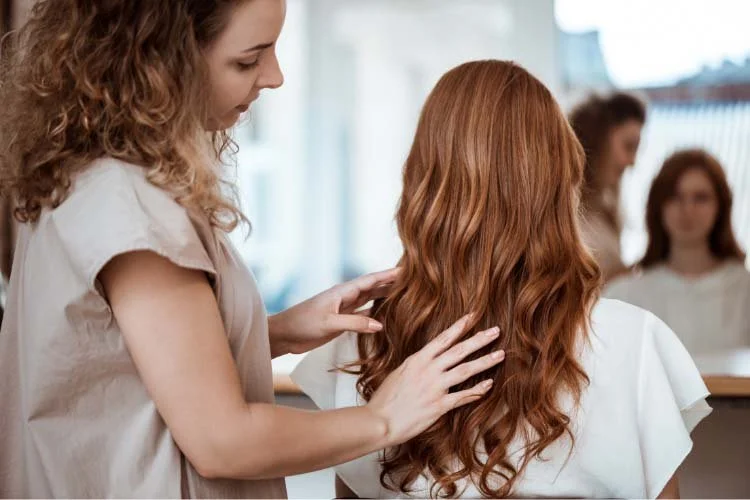
Curly, coily, and textured hair is beautifully diverse — and it requires specialized knowledge, patience, and care. For many clients, trusting someone with their natural texture can feel daunting, especially if they’ve had past experiences where their hair wasn’t understood or handled properly. This leads to an important question: are hair academy stylists truly trained to work safely and respectfully with textured hair?
The answer is yes — when training is done correctly. At Hair Art Academy, students are taught that no two hair types are the same and that textured hair deserves just as much technical expertise as straight or wavy hair. From understanding curl patterns to learning moisture balance and shrinkage, students are trained to approach textured hair thoughtfully, safely, and confidently.
In this blog, we’ll explore how hair academies prepare students to work with curly, coily, and textured hair — and why clients can feel reassured choosing an academy salon.
1. Education on Hair Texture and Curl Patterns
Handling textured hair safely starts with education. Hair academy students learn the science behind different hair textures before performing any service.
Understanding curl patterns: Students study the full spectrum of curls — from loose waves to tight coils.
Shrinkage awareness: Training includes recognizing how curls behave when dry versus wet.
Porosity and density: Students learn how textured hair absorbs moisture and reacts to products.
This foundational knowledge helps students make informed decisions instead of using a one-size-fits-all approach.
2. Specialized Cutting Techniques for Textured Hair
Cutting curly or coily hair requires a very different technique than cutting straight hair. Hair academies teach students how to adapt their methods safely.
Dry and curl-by-curl cutting concepts: Students learn when dry cutting is more appropriate than wet cutting.
Shape over length: Emphasis is placed on creating balanced shapes rather than chasing straight lines.
Respecting natural movement: Students are trained to cut with the curl pattern, not against it.
Instructor supervision ensures that every cut maintains curl integrity and avoids unnecessary thinning or damage.
3. Moisture-Focused Product Knowledge
Textured hair often requires more moisture and gentler products. Academy training places a strong focus on hydration and protection.
Moisture retention: Students learn how to layer hydration properly using creams, leave-ins, and oils.
Avoiding harsh ingredients: Education includes understanding sulfates, alcohols, and product buildup.
Customized routines: Product recommendations are tailored to curl type and scalp condition.
This moisture-first mindset is key to keeping curls healthy, defined, and resilient.
4. Safe Chemical and Heat Practices
Curly and coily hair can be more vulnerable to damage if chemicals or heat are misused. Hair academies teach students to prioritize hair health above all else.
Heat control: Students are trained to use lower temperatures and heat protectants.
Chemical suitability: Relaxers, color, or smoothing treatments are only performed after thorough hair analysis.
Protective techniques: Stretching, detangling, and styling methods are taught to minimize breakage.
Every chemical or heat service is performed under instructor supervision, ensuring safety at every stage.
5. Gentle Detangling and Styling Methods
One of the most important safety skills for textured hair is gentle handling.
Detangling from ends to roots: Students learn to work patiently, never forcefully.
Tool education: Wide-tooth combs, fingers, and curl-friendly brushes are used appropriately.
Protective styling awareness: Braids, twists, and buns are done with care to avoid tension or stress.
These practices help prevent breakage and protect the scalp, creating a comfortable experience for clients.
6. Instructor Supervision and Ongoing Feedback
Textured hair services at an academy are never performed without professional oversight.
Consultation approval: Instructors review the plan before services begin.
Technique checks: Students receive real-time corrections and guidance.
Continuous improvement: Feedback helps students build confidence and cultural competence.
This layered support system ensures high standards and respectful, informed care.
7. Creating a Respectful and Inclusive Salon Experience
Beyond technique, hair academies emphasize respect and understanding.
Listening to the client: Students are trained to ask about routines, preferences, and past experiences.
No assumptions: Every head of hair is treated as unique.
Education without judgment: Clients are supported, not corrected or pressured.
This inclusive approach helps clients feel seen, safe, and valued.
Conclusion
Curly, coily, and textured hair deserves knowledgeable, respectful, and safe care — and hair academy training is designed to provide exactly that. At Hair Art Academy, students are educated in texture science, specialized cutting methods, moisture-focused care, and gentle handling techniques, all under expert supervision. The result is a salon experience that protects hair health while celebrating natural texture.
If you want to learn how to work confidently and safely with all hair types — and become a stylist who truly understands diversity in beauty — register at Hair Art Academy today. Start your journey in a place where skill, inclusivity, and care are at the heart of every service.

Jumpstart your career
Whether you’re dreaming of running your own salon, mastering the latest trends, or building a loyal clientele, it all starts with the right education. Don’t wait to turn your passion for hairstyling into a successful career.
Join Hair Art Academy today and take the first step toward a future filled with creativity, growth, and endless possibilities!
